


Raise Hell! #1
Comixology Originals included as part of your Prime, Comixology Unlimited or Kindle Unlimited membership.
Featured Comixology Originals
-
 Black Sight (Comixology Originals) Vol. 1
 -
 Mistland (Comixology Originals) #1
 -
 By A Thread (Comixology Originals) #4
 -
 Hard Style Juice (Comixology Originals) #1
 -
 She's Running on Fumes (Comixology Originals) #3
 -
 Wag (Comixology Originals) Vol. 1
 -
 The Tormented (Comixology Originals) #2
 -
 Astonishing Times: Rise of the Kokin (Comixology Originals) #3
 -
 MidState (Comixology Originals) #2
 -
 The Tormented (Comixology Originals) #1
 -
 Cold Hard Cash (Comixology Originals) #2: A Martha Chainey Escapade
 -
 Duck And Cover (Comixology Originals) #3
 -
 Lost Falls (Comixology Originals) Season 2 #5
Trending in Comixology Unlimited
-
 Gender Queer: A Memoir
 -
 Star Wars - Dark Empire Trilogy (Star Wars: The New Republic)
 -
 Supergirl: Woman of Tomorrow (2021-)
 -
 Batman (2016-) Vol. 1: Failsafe
 -
 Teenage Mutant Ninja Turtles: The IDW Collection Vol. 15
 -
 Hellboy Omnibus Volume 1: Seed of Destruction
 -
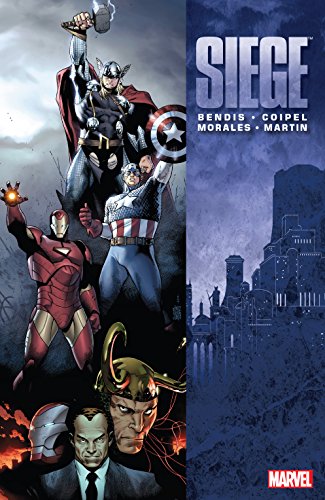 Siege
Siege -
 Nightwing (2016-) Vol. 3: The Battle for Blüdhaven’s Heart
 -
 Saga of the Swamp Thing: Book One
 -
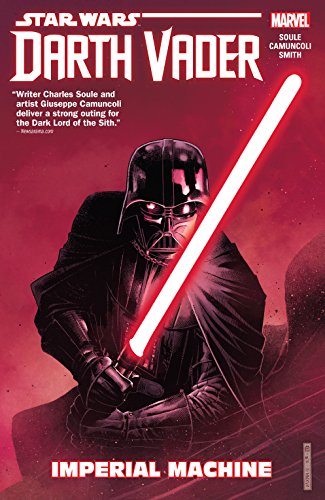 Star Wars: Darth Vader: Dark Lord of the Sith Vol. 1: Imperial Machine (Darth Vader (2017-2018))
 -
 DC vs. Vampires (2021-) Vol. 2
 -
 Fairy Tail Vol. 1
 -
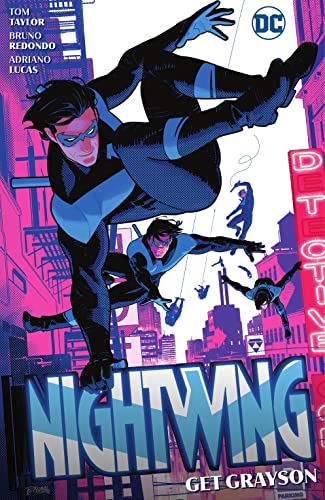 Nightwing (2016-) Vol. 2: Get Grayson
 -
 Amazing Spider-Man Masterworks Vol. 1 (Marvel Masterworks)
 -
 X-Men: The Complete Onslaught Epic - Book One
 -
 The Walking Dead Vol. 2: Miles Behind Us
 -
 From Hell
 -
 DC vs. Vampires (2021-) Vol. 1
 -
 Batman (2011-2016) Vol. 1: The Court of Owls (Batman Graphic Novel)
 -
 The Walking Dead Vol. 4: The Heart's Desire
 -
 Dragonlance Chronicles Vol. 1: Dragons of Autumn Twilight
 -
 Doctor Strange: Damnation - Complete Collection (Doctor Strange: Damnation (2018))
 -
 DC vs. Vampires: All-Out War (2022-)
 -
 BLAME! Vol. 5
 -
 Batman (2011-2016) Vol. 2: The City of Owls (Batman Graphic Novel)
 -
 Batman (2016-) Vol. 4: The Cowardly Lot
 -
 Wonder Woman: Dead Earth (Wonder Woman: Dead Earth (2019-))
 -
 The Boys Vol. 1: The Name of the Game (Garth Ennis' The Boys)
 -
 Noragami: Stray God Vol. 1
 -
 Air Gear Omnibus Vol. 1
New and noteworthy comics & graphic novels
-
 Avatar: The Last Airbender--Smoke and Shadow Omnibus
 -
 Teenage Mutant Ninja Turtles: The Last Ronin—Lost Years (Teenage Mutant Ninja Turtles: The Last Ronin—The Lost Years)
 -
 Avatar: The Last Airbender--Azula in the Spirit Temple
 -
 Wolverine: Weapon X Gallery Edition (Marvel Comics Presents (1988-1995))
 -
 Deadpool Kills the Marvel Universe (Deadpool Kills the Marvel Universe (2012))
 -
 Critical Role Vox Machina: Origins Volume I
 -
 WIND BREAKER Vol. 1
 -
 Fake It to Break It! I Faked Amnesia to Break off My Engagement and Now He's All Lovey-Dovey?! #001 (Fake It to Break It! I Faked Amnesia to Break off ... All Lovey-Dovey?! CHAPTER SERIALS Book 1)
 -
 Karen's Sleepover: A Graphic Novel (Baby-Sitters Little Sister #8) (Baby-Sitters Little Sister Graphix)
 -
 Miracleman by Gaiman & Buckingham: The Silver Age (Miracleman by Gaiman & Buckingham: The Silver Age (2022-2024))
 -
 The Weakest Tamer Began a Journey to Pick Up Trash (Manga) Vol. 5
 -
 The Summer We Crossed Europe in the Rain: Lyrics for Stacey Kent
 -
 DUNE: The Graphic Novel, Book 3: The Prophet
 -
 The Seven Deadly Sins: Four Knights of the Apocalypse Vol. 12
 -
 My Love Story with Yamada-kun at Lv999 Volume 1
 -
 Bocchi the Rock! Vol. 3
 -
 Initial D Omnibus 1 (Vol. 1-2)
 -
 Teenage Mutant Ninja Turtles x Stranger Things
 -
 Captain America by Mark Gruenwald Omnibus Vol. 1 (Captain America (1968-1996))
 -
 Friday at the Atelier Vol. 1
 -
 Hellboy Artists Collection: Richard Corben