


Featured Comixology Originals
-
 Hard Style Juice (Comixology Originals) #1
 -
 She's Running on Fumes (Comixology Originals) #3
 -
 Black Sight (Comixology Originals) Vol. 1
 -
 MidState (Comixology Originals) #2
 -
 Cold Hard Cash (Comixology Originals) #2: A Martha Chainey Escapade
 -
 The Tormented (Comixology Originals) #2
 -
 The Tormented (Comixology Originals) #1
 -
 MidState (Comixology Originals) #1
 -
 Astonishing Times: Rise of the Kokin (Comixology Originals) #3
 -
 Duck And Cover (Comixology Originals) #3
 -
 Lost Falls (Comixology Originals) Season 2 #5
 -
 Wag (Comixology Originals) Vol. 1
Trending in Comixology Unlimited
-
 Teenage Mutant Ninja Turtles: The Last Ronin
 -
 Rodrick Rules (Diary of a Wimpy Kid, Book 2)
 -
 Sonic The Hedgehog: The IDW Collection Vol. 3 (Sonic The Hedgehog (2018-))
 -
 New X-Men by Grant Morrison Ultimate Collection Book 1 (New X-Men (2001-2004))
 -
 Doomsday Clock: The Complete Collection (Doomsday Clock (2017-))
 -
 Sonic The Hedgehog: The IDW Collection Vol. 1 (Sonic The Hedgehog (2018-))
 -
 New X-Men by Grant Morrison Ultimate Collection Book 2 (New X-Men (2001-2004))
 -
 Sonic The Hedgehog: The IDW Collection Vol. 2 (Sonic The Hedgehog (2018-))
 -
 Sandman Vol. 1: Preludes & Nocturnes - 30th Anniversary Edition (The Sandman)
 -
 New X-Men Omnibus (New X-Men (2001-2004))
 -
 New X-Men by Grant Morrison Ultimate Collection Book 3 (New X-Men (2001-2004))
 -
 The Nice House on the Lake (2021-) Vol. 1
 -
 The Walking Dead Vol. 2: Miles Behind Us
 -
 Sandman Vol. 2: The Doll's House - 30th Anniversary Edition (The Sandman)
 -
 Saga Vol. 1
 -
 BLAME! Vol. 3
 -
 Garfield Vol. 1
 -
 Turtle Bread (Comixology Originals)
 -
 BLAME! Vol. 5
 -
 Zatanna by Paul Dini (Zatanna (2010-2011))
 -
 X-Men: Hellfire Gala – The Red Carpet Collection
 -
 The Incal: Digital Omnibus
 -
 Something is Killing the Children Vol. 1
 -
 The Walking Dead Vol. 3: Safety Behind Bars
 -
 Young Justice (1998-2003): Book One
 -
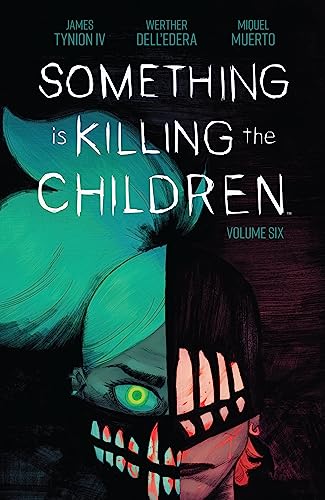 Something is Killing the Children Vol. 6
 -
 The EC Archives: Tales from the Crypt Volume 1
 -
 Something is Killing the Children Vol. 2
 -
 Hellboy: The Complete Short Stories Volume 1
 -
 Say I Love You. Vol. 2
New and noteworthy comics & graphic novels
-
 Avatar: The Last Airbender--Smoke and Shadow Omnibus
 -
 Supergirl: Woman of Tomorrow (2021-)
 -
 Batman: Hush (New Edition) (Batman (1940-2011))
 -
 Deadpool Kills the Marvel Universe (Deadpool Kills the Marvel Universe (2012))
 -
 Adventures of Superman by George Perez (Superman (2011-2016))
 -
 The Villainess's Guide to (Not) Falling in Love #001 (The Villainess's Guide to (Not) Falling in Love CHAPTER SERIALS Book 1)
 -
 Predator Vs. Wolverine (Predator Vs. Wolverine (2023))
 -
 Don't Toy With Me, Miss Nagatoro Vol. 16
 -
 Lies My Teacher Told Me: A Graphic Adaptation
 -
 The Sandman Universe: Nightmare Country (2022-): The Glass House
 -
 My Love Story with Yamada-kun at Lv999 Volume 1
 -
 Victory Parade (Pantheon Graphic Library)
 -
 DeadEndia: The Divine Order
 -
 Panya: The Mummy's Curse
 -
 Mobsters in Love 01
 -
 Predator: The Original Years Omnibus Vol. 2
 -
 Innocent Omnibus Volume 2
 -
 Alpi: The Soul Sender Vol. 3
This week's featured new releases
-
Hard Style Juice (Comixology Originals) #1
-
The Tormented (Comixology Originals) #2
-
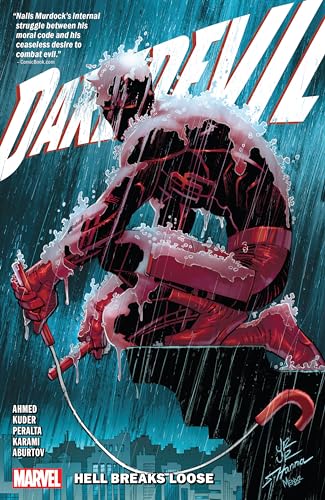 Daredevil Vol. 1: Hell Breaks Loose (Daredevil (2023-))
 -
 7174 A.D. #1
 -
 If the Villainess and Villain Met and Fell in Love Vol. 1
 -
 Zip Vol. 1 #2
 -
 Elvira Meets H.P. Lovecraft Vol. 1 #3 (Elvira Meets HP Lovecraft)
 -
 Snowball Earth, Vol. 1
 -
 Team Unihorn and Woolly #1: Attack of the Krill
 -
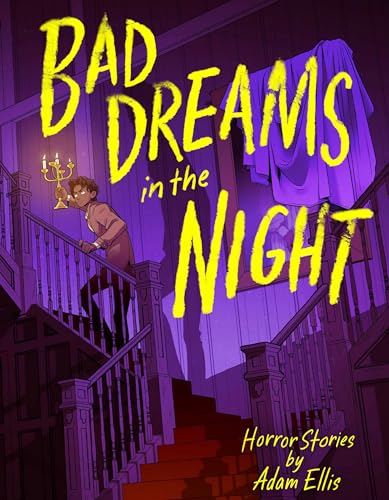 Bad Dreams in the Night
 -
 Three Exorcism Siblings Vol. 1
 -
 U & I Vol. 1 #3 (of 6)
 -
 Oz - Fall of the Emerald City #1
 -
 Blow Away #1
 -
 Star Wars: The High Republic Adventures--Saber for Hire #1
 -
 Rick and Morty: Finals Week #1: BrawlHer
 -
 Betty & Veronica Decades: The 1970s
 -
 Shiny Misfits: A Graphic Novel
 -
 Gamaran Vol. 20 (Gamaran (Kodansha))
 -
 Cosmetic Playlover Vol. 5
 -
 Catwoman (2018-) #64
 -
 Teenage Mutant Ninja Turtles: The Untold Destiny of the Foot Clan #2
 -
 The Prism #7
 -
 La rafle d'Izieu (French Edition)
 -
 Mystery Brothers